
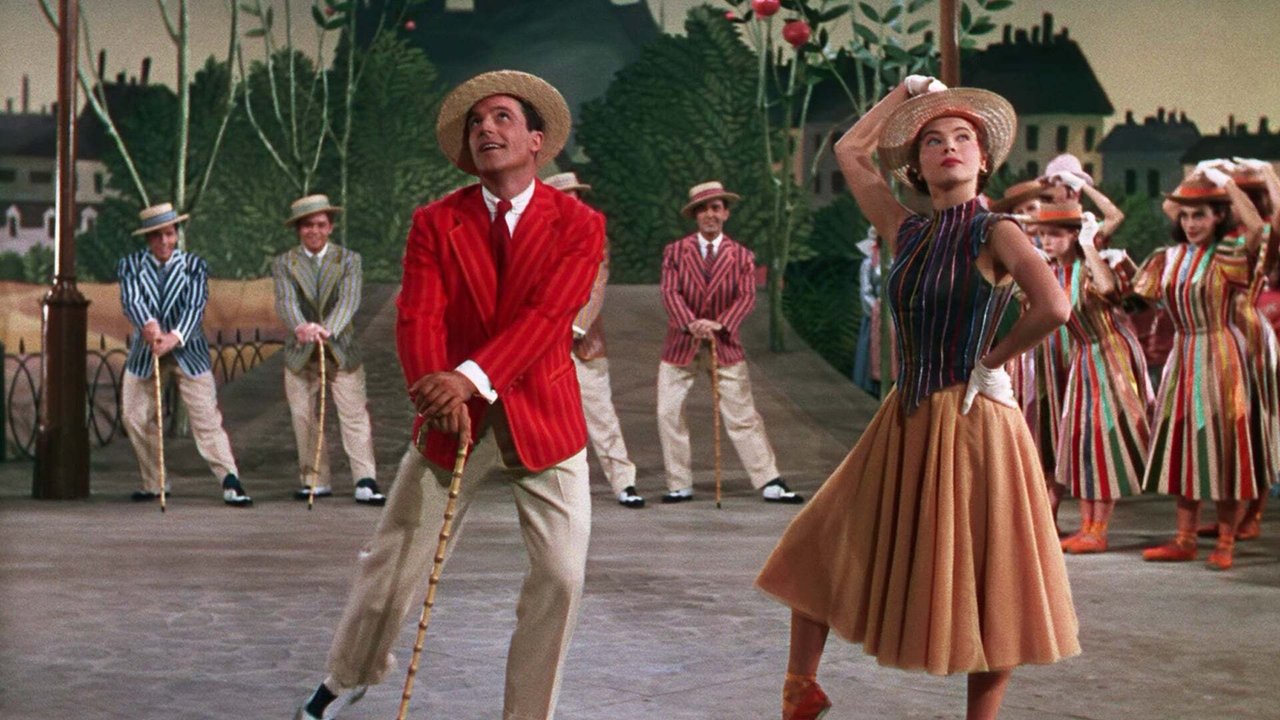
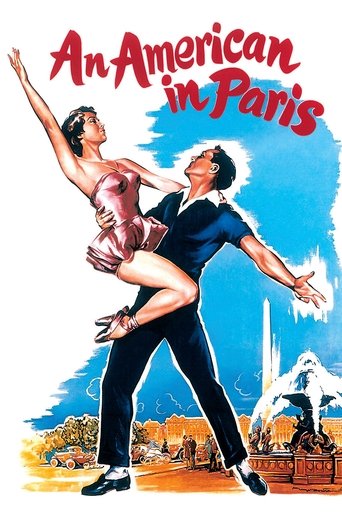
An American in Paris
1951 · 113 min · ★ 7.0
Jerry Mulligan is an exuberant American expatriate in Paris trying to make a reputation as a painter. His friend Adam is a struggling concert pianist who's a long time associate of a famous French singer, Henri Baurel. A lonely society woman, Milo Roberts, takes Jerry under her wing and supports him, but is interested in more than his art.
▶ Watch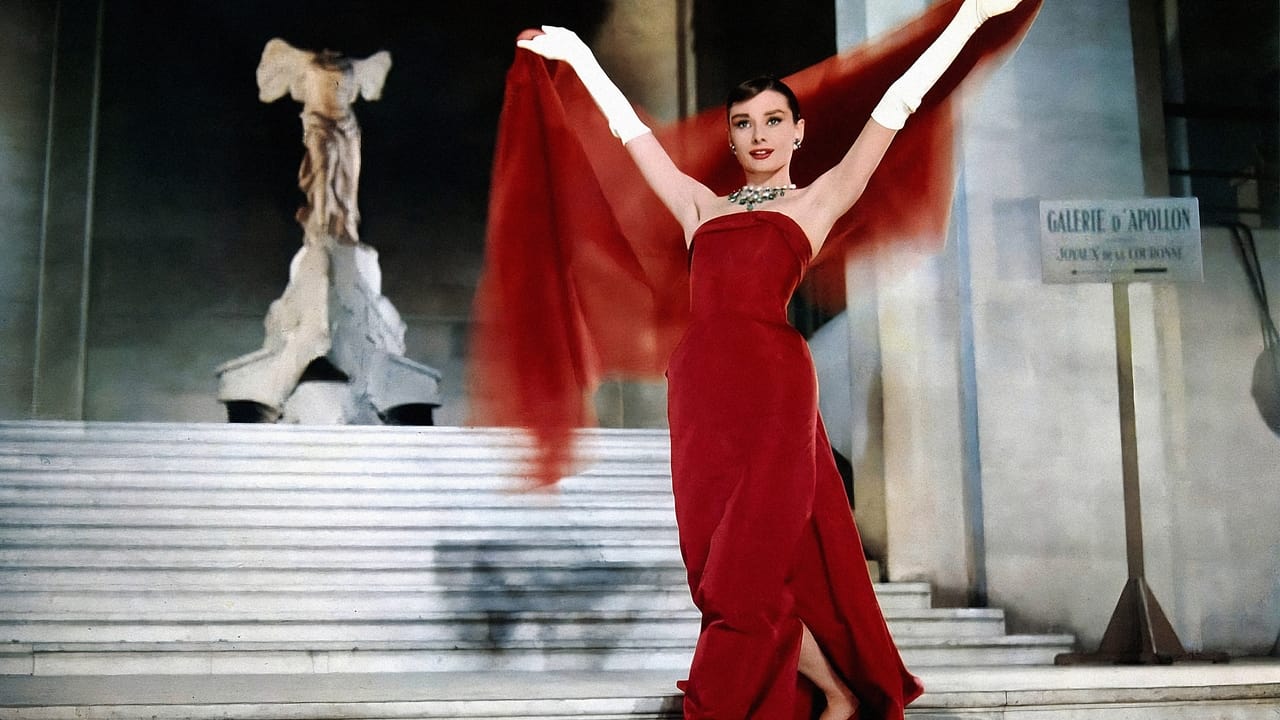
Funny Face
1957 · 103 min · ★ 7.0
A shy Greenwich Village book clerk is discovered by a fashion photographer and whisked off to Paris where she becomes a reluctant model.
▶ Watch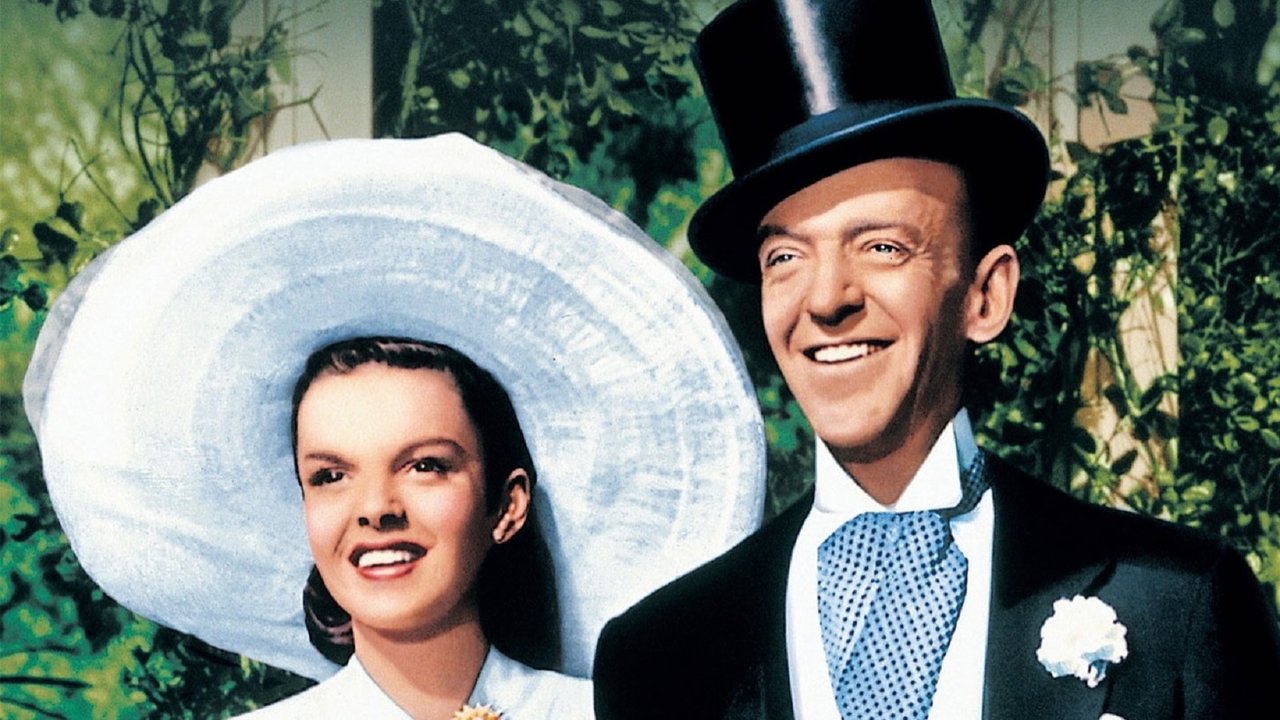
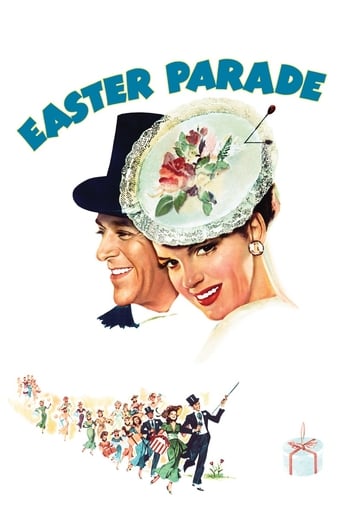
Easter Parade
1948 · 103 min · ★ 7.0
On the day before Easter in 1911, Don Hewes is crushed when his dancing partner (and object of affection) Nadine Hale refuses to start a new contract with him. To prove Nadine's not important to him, Don acquires innocent new protege Hannah Brown, vowing to make her a star in time for next year's Easter parade.
▶ Watch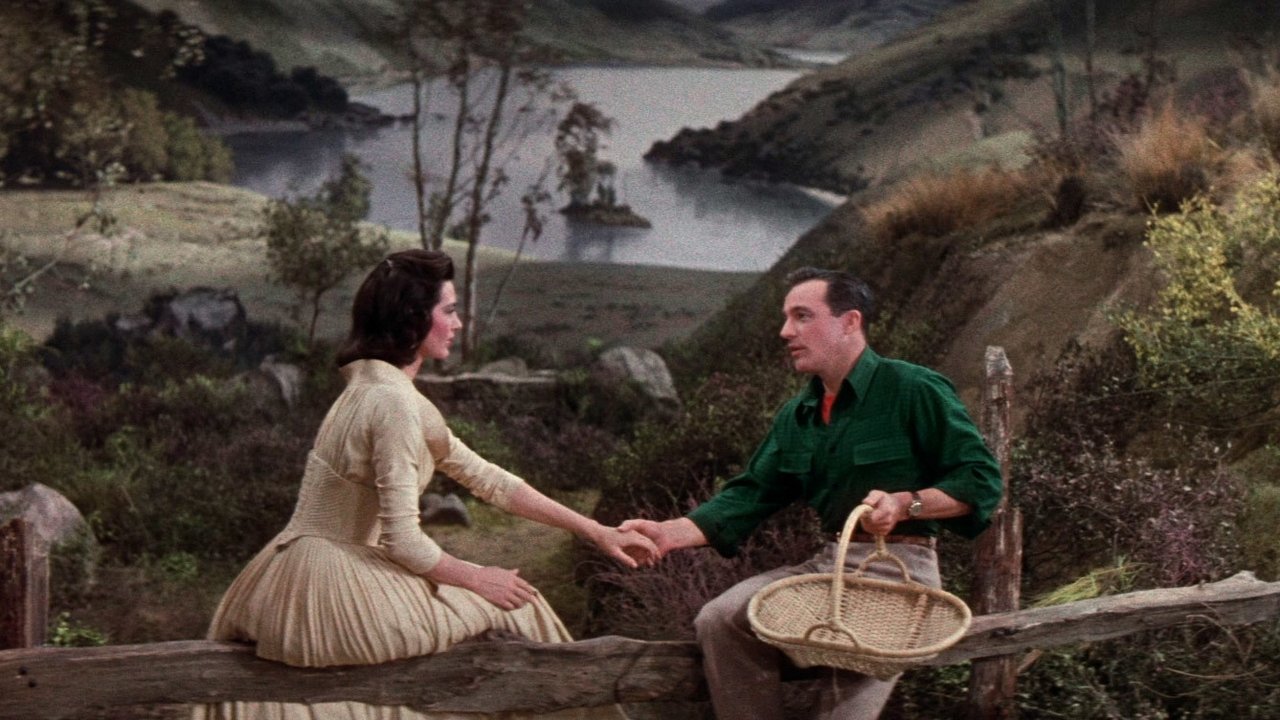
Brigadoon
1954 · 108 min · ★ 6.5
Americans Jeff and Tommy, hunting in Scotland, stumble upon a village - Brigadoon. They soon learn that the town appears once every 100 years in order to preserve its peace and special beauty. The citizens go to bed at night and when they wake up, it's 100 years later. Tommy falls in love with a beautiful young woman, Fiona, and is torn between staying or going back to his hectic life in New York.
▶ Watch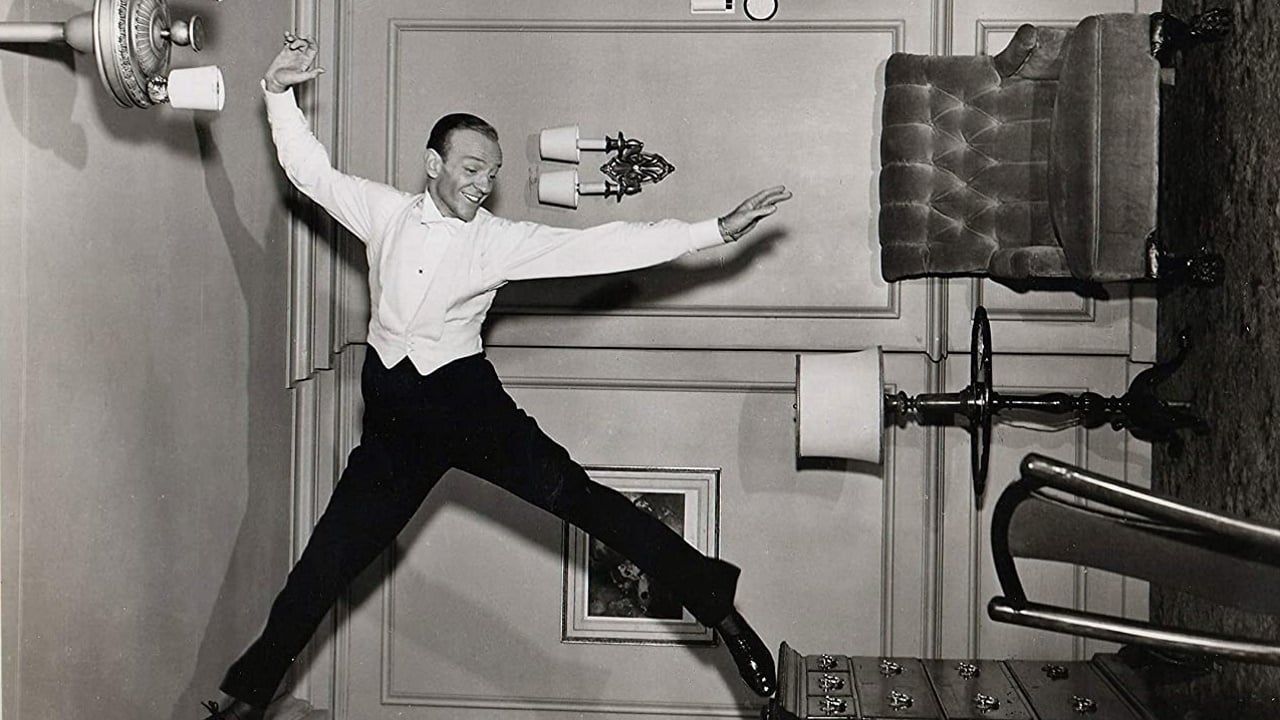
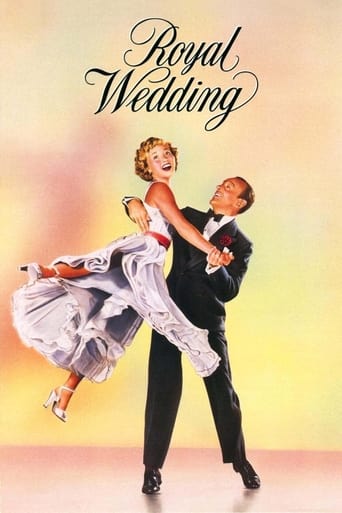
Royal Wedding
1951 · 93 min · ★ 6.4
A brother and sister dance act encounter challenges and romance when booked in London during the Royal Wedding.
▶ Watch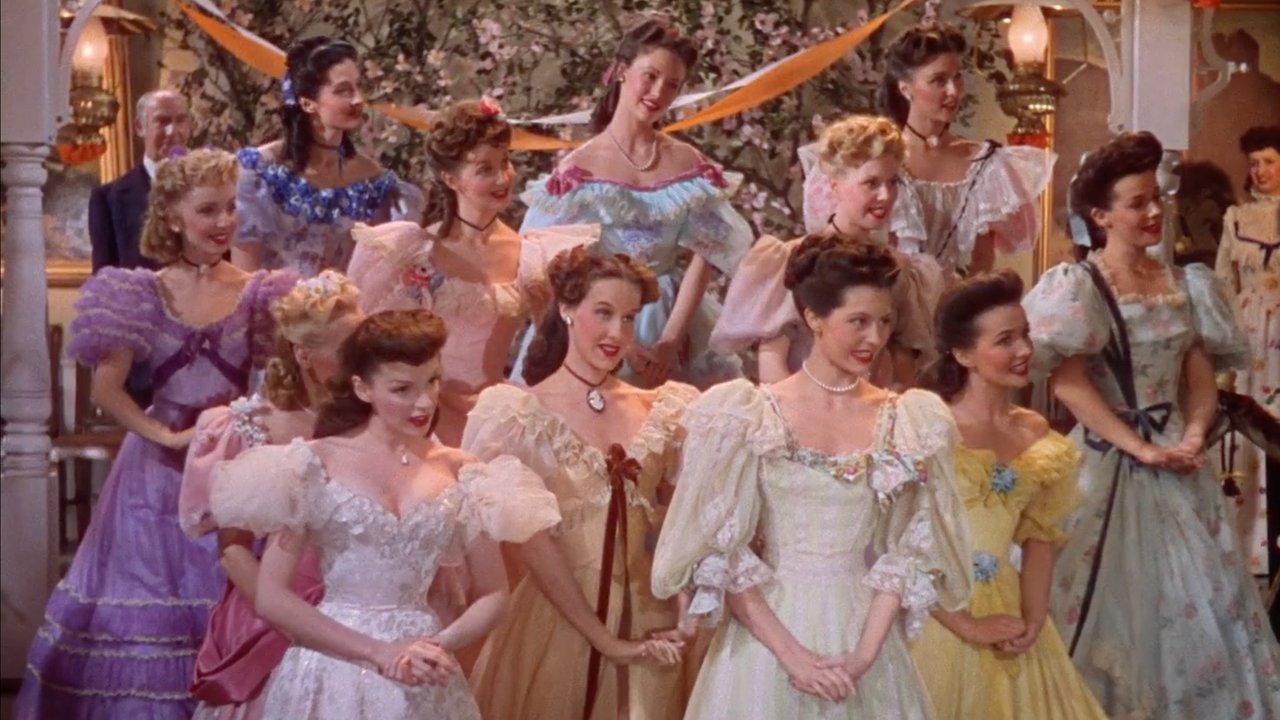
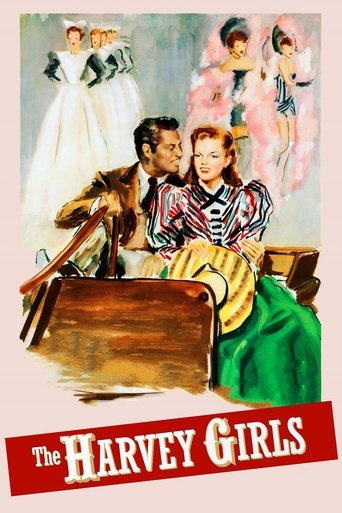
The Harvey Girls
1946 · 104 min · ★ 6.6
On a train trip out west to become a mail-order bride, Susan Bradley meets a cheery crew of young women traveling out to open a "Harvey House" restaurant at a remote whistle-stop.
▶ WatchEvery musical on AnimeXin opens on its official service
AnimeXin: golden-age movie musicals from 1933 to 1962, from Roberta, Carefree and Born to Dance to An American in Paris, Easter Parade, Funny Face, Oklahoma! and The Music Man, and where to watch them
175 movie musicals: Astaire and Kelly dance films, Broadway shows on screen, songwriter stories, comedy musicals, young stars, travel musicals, swing and early rock and roll, and operettas. Search a title and press Watch now.
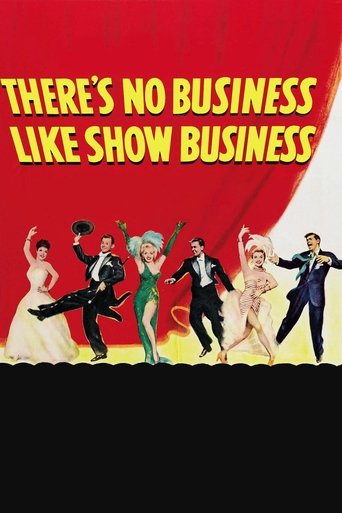
Dance musicals
View all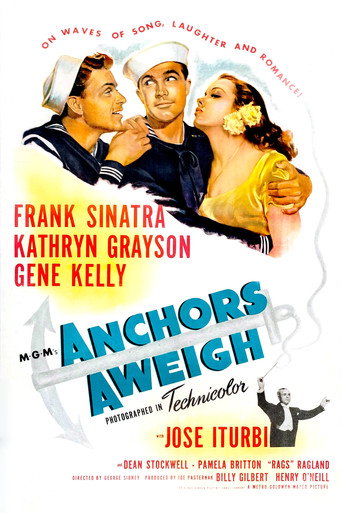


Broadway on screen
View all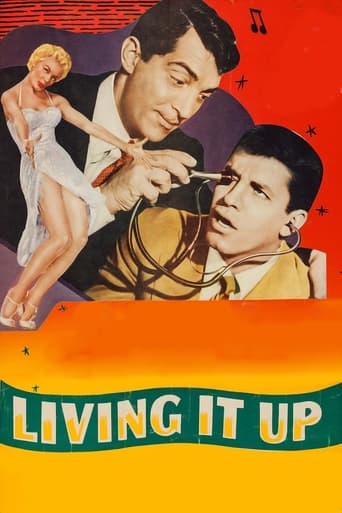
Comedy musicals
View all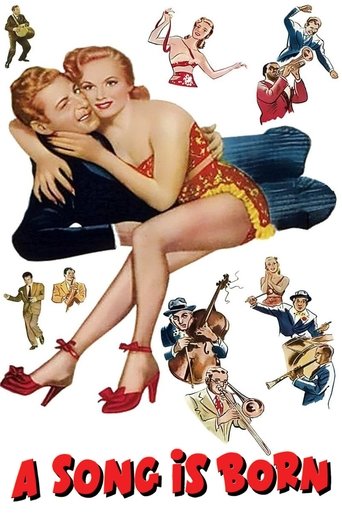

Young stars
View all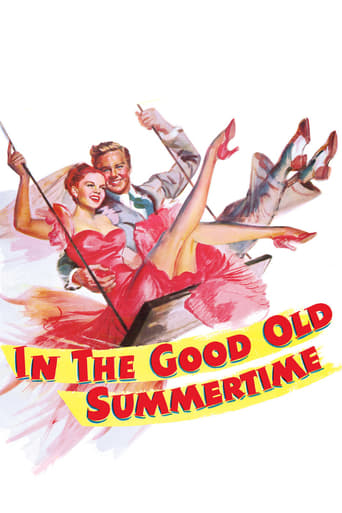

Guides
- How to watch with AnimeXinFrom the poster grid to the official service.
- Dance musicalsAstaire, Kelly, Rogers, Powell and Charisse.
- Broadway on screenStage hits and backstage stories.
- Comedy musicalsDanny Kaye, the Marx Brothers and Laurel and Hardy.
- Young starsShirley Temple, Deanna Durbin, Judy Garland and Mickey Rooney.
- Songwriters and bandleadersKern, Rodgers and Hart, Goodman and the Dorseys.
- Travel musicalsParis, Rio, Havana, Vienna and Hawaii.
- Swing and rock and rollBig bands, Elvis, Bill Haley and Cliff Richard.
- OperettasMacDonald and Eddy, Mario Lanza and the waltz.
- The 1930sOperettas, Shirley Temple and the first great dance films.
- Languages and versionsOriginal audio, subtitles and restorations.
- The official AnimeXin siteHow to recognise the real address.
- Where AnimeXin films streamThe official services behind Watch now.
- Finding a filmSearch tips for the whole catalogue.
- My ListPlanning a musical night.
The AnimeXin guide
AnimeXin: golden-age movie musicals from 1933 to 1962, from Roberta, Carefree and Born to Dance to An American in Paris, Easter Parade, Funny Face, Oklahoma! and The Music Man
For three remarkable decades, the movie musical was the most joyful thing in cinema. Fred Astaire danced on the ceiling of a London hotel room, Gene Kelly swung through the streets of Paris to a Gershwin ballet, Judy Garland strolled down Fifth Avenue in an Easter bonnet, and a con man in a straw boater taught an entire Iowa town to dream of seventy-six trombones. AnimeXin gathers 175 of these golden-age musicals, made between 1933 and 1962, each with its own page, its story, year, running time and stars, and a Watch now button that leads to the official services carrying it in your country.
The catalogue has been chosen by hand for families and music lovers to enjoy together. There are dance musicals with Astaire, Kelly, Ginger Rogers, Eleanor Powell and Cyd Charisse; Broadway shows brought to the screen; stories of songwriters, bandleaders and great singers; comedy musicals with Danny Kaye, the Marx Brothers, Laurel and Hardy, Abbott and Costello and Martin and Lewis; young stars from Shirley Temple to Deanna Durbin, Judy Garland and Mickey Rooney; travel musicals set in Paris, Rio, Havana and Vienna; swing bands and the first rock and roll films; and sweeping operettas.
Those themes make up the shelves. Dance musicals holds 37 films, Broadway on screen 25, Songwriters and bandleaders 22, Comedy musicals 31, Young stars 43, Travel musicals 37, Swing and rock and roll 17 and Operettas 21. The decade shelves follow the story through time, with 42 films from the 1930s, 64 from the 1940s and 69 from 1950 to 1962, the era of Technicolor spectacle and widescreen Broadway adaptations. A Top rated shelf picks out 24 films that audiences have scored especially well.
AnimeXin is for anyone who loves a good song: families looking for something bright and cheerful, children discovering tap dancing for the first time, grandparents who remember these films at the cinema, and fans who already know every word of Singin' in the Rain and want to explore further. The guides below suggest where to begin, which stars to follow and how to plan a musical night with plenty of singing along.
How AnimeXin looks
AnimeXin takes its look from the Chinese animation streaming site whose name it shares, in that site's dark mode. The page is a deep violet-black, and the header above it is darker still, with the green music-note logo and the AnimeXin wordmark on the left and a slim search field on the right. Below the header runs a bright green menu bar with white links: Home, All musicals, Dance, Broadway, Comedy and My List.
A wide slider opens the home page with a handful of featured musicals, each shown with a darkened backdrop, a green Hot label, the title in large white type, the year, running time and rating, a short description and a blue Watch button. A slim announcement line follows, and then the page divides into a wide main column and a narrower sidebar. Each panel in the main column is headed by a bold white title with a small green label and a View all button, and the posters inside sit five across with rounded corners.
The poster design is borrowed from the original site: a red label in the top right corner reads Musical, a green tab in the lower left shows the year, and a blue tab in the lower right shows the running time. Pointing at a poster darkens it and reveals a play symbol, and the title sits beneath in two neat lines. In the sidebar, a Top musicals list ranks ten favourites with small posters, numbered squares and grey details, and the shelves follow as small grey buttons. The footer gathers an A to Z bar of letter tiles, the help links and the copyright line.
Finding your way around
The search field in the header is the quickest way to any musical. Type a few letters of a title, a star or a place, such as Astaire, Garland, Paris, Vienna or Oklahoma, and matching films appear as you type. Partial words work well, so Broadway finds all three Broadway Melody films along with every other title that mentions the Great White Way.
The All musicals link opens every film on one page with the most popular first, and the A to Z bar in the footer opens the catalogue one letter at a time. The shelves group the musicals by theme and by decade, each opening as a poster grid with a short introduction, and the Top musicals list in the sidebar is a good place to begin for a guaranteed classic.
My List keeps track of the musicals you want to watch. Press the save button on any film page and the musical appears in My List, which lives in this browser and opens instantly. You can export the list to a small file and import it on another device, so an evening planned on a phone is ready on the family television. The guides linked from the footer and the bottom of this page collect the best films for each theme.
The 1930s: operettas, child stars and a new kind of dancing
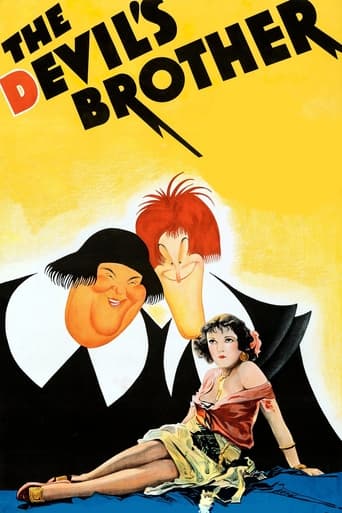
The oldest film on AnimeXin is The Devil's Brother from 1933, in which Laurel and Hardy stumble through a comic opera about a dashing Italian bandit. Sound films were still new, and studios were discovering what music could do on screen. One Night of Love made the opera singer Grace Moore a film star, and Naughty Marietta introduced audiences to the singing partnership of Jeanette MacDonald and Nelson Eddy, who went on to Rose Marie, with its echoing duet across a Canadian lake, and Sweethearts, MGM's first feature in full three-strip Technicolor.
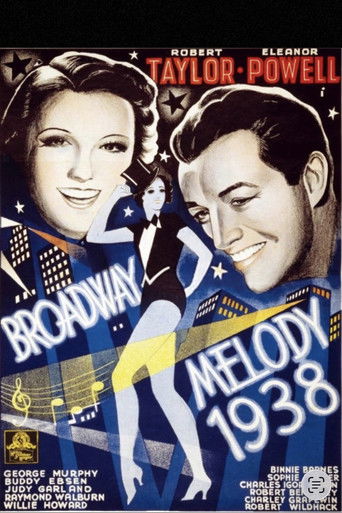
Fred Astaire and Ginger Rogers had already danced their way to fame by the time of Roberta, a Jerome Kern musical set in a Paris fashion house, in which they support Irene Dunne and steal every scene they share. Carefree cast Astaire as a psychiatrist who hypnotises Rogers, and A Damsel in Distress paired him with Joan Fontaine and the comedy team of George Burns and Gracie Allen, with Gershwin songs and a celebrated fun-house number. Eleanor Powell, the greatest tap dancer of the decade, starred in Broadway Melody of 1936, Born to Dance, in which James Stewart sings Cole Porter's Easy to Love, and Broadway Melody of 1938, in which a fifteen-year-old Judy Garland sings to a photograph of Clark Gable.
Children ruled the box office. Shirley Temple sang On the Good Ship Lollipop in Bright Eyes and Animal Crackers in My Soup in Curly Top, and Deanna Durbin's clear soprano made Three Smart Girls such a success that it is said to have rescued Universal Studios. Durbin went on to One Hundred Men and a Girl, in which she persuades the conductor Leopold Stokowski to lead an orchestra of unemployed musicians, Mad About Music and First Love, a Cinderella story in which she receives her first screen kiss.
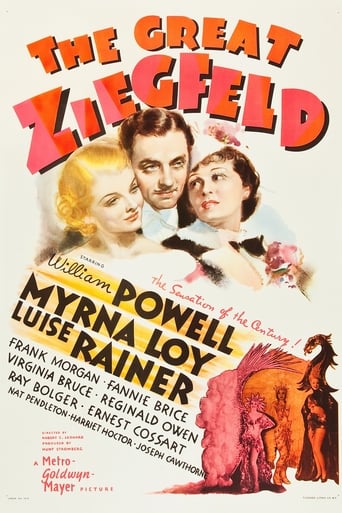
The decade also brought The Great Ziegfeld, winner of the Academy Award for Best Picture, with its towering wedding-cake staircase of singers and dancers, Pennies from Heaven and Anything Goes with Bing Crosby, Alexander's Ragtime Band with a parade of Irving Berlin songs, Hollywood Hotel, which introduced the song Hooray for Hollywood, and The Goldwyn Follies, with George Gershwin's final film songs. From Britain came Evergreen with Jessie Matthews, Waltzes from Vienna, an unexpected musical directed by Alfred Hitchcock, and the George Formby comedies Keep Your Seats, Please and Trouble Brewing.
The 1940s: Technicolor and the Freed unit
The 1940s are the largest decade on AnimeXin, with 64 films. Early in the decade, Twentieth Century Fox filled the screen with colour and Latin rhythms: Down Argentine Way made Betty Grable a star and introduced American audiences to Carmen Miranda, who returned in That Night in Rio and Week-End in Havana. Sun Valley Serenade gave the skating champion Sonja Henie and Glenn Miller's orchestra a snowy Idaho resort, with the Nicholas Brothers dancing to Chattanooga Choo Choo, and Orchestra Wives followed Miller's band on tour.
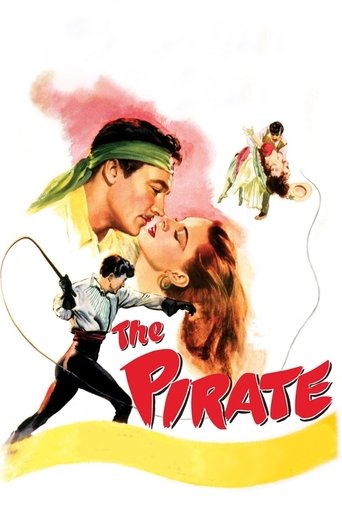
At MGM, Mickey Rooney and Judy Garland became the screen's favourite young performers in Strike Up the Band and Girl Crazy, with its Gershwin standards I Got Rhythm and Embraceable You. Garland then grew into a leading lady in Presenting Lily Mars, The Harvey Girls, in which she rides the Atchison, Topeka and the Santa Fe to a frontier town, and Easter Parade, partnered with Fred Astaire in a parade of Irving Berlin songs, including the tramp duet A Couple of Swells. The Pirate paired her with Gene Kelly in a Caribbean fantasy of acrobatics and Cole Porter songs.
Gene Kelly's career took off in this decade. In Cover Girl he dances with his own reflection, in Anchors Aweigh he dances with the cartoon mouse Jerry, and in Ziegfeld Follies he shares the screen with Fred Astaire for the only time in their prime, in a number called The Babbitt and the Bromide. Words and Music includes his ballet Slaughter on Tenth Avenue with Vera-Ellen.
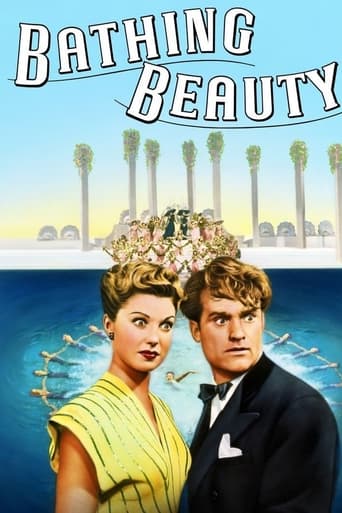
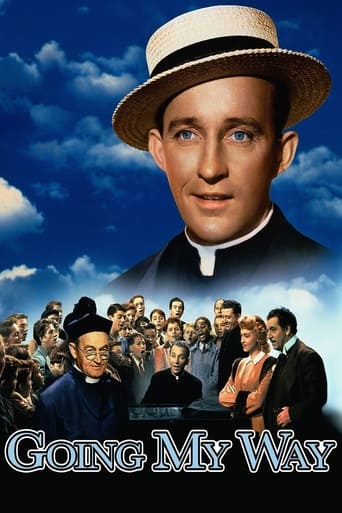
The forties also gave us Going My Way, which won the Academy Award for Best Picture and introduced the song Swinging on a Star, Bathing Beauty, Esther Williams's first starring role, with a dazzling water ballet, Good News, a college musical full of the Varsity Drag, In the Good Old Summertime, a musical remake of The Shop Around the Corner with a cameo from a toddler named Liza Minnelli, and Summer Holiday, a nostalgic small-town musical with Mickey Rooney.
The 1950s and early sixties: Paris, Broadway and rock and roll
The last stretch of the catalogue, from 1950 to 1962, holds 69 films and some of the most celebrated musicals ever made. An American in Paris won the Academy Award for Best Picture with Gene Kelly as a painter in love with Leslie Caron, ending in a seventeen-minute ballet set to Gershwin's music in the styles of famous French painters. Royal Wedding has Fred Astaire dancing up the walls and across the ceiling of his hotel room and partnering a hat stand, and The Belle of New York lets him walk on air above Manhattan.
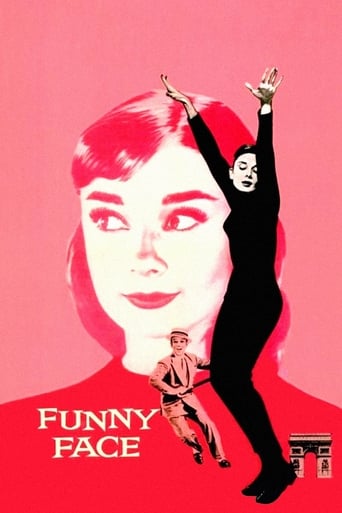
Funny Face pairs Astaire with Audrey Hepburn as a bookshop clerk turned fashion model in Paris, with Gershwin songs, Kay Thompson's show-stopping Think Pink! and photography inspired by Richard Avedon. Brigadoon takes Gene Kelly and Cyd Charisse to a Scottish village that appears for one day every hundred years, and Invitation to the Dance tells three stories entirely through dance, including one in which Kelly joins animated characters.
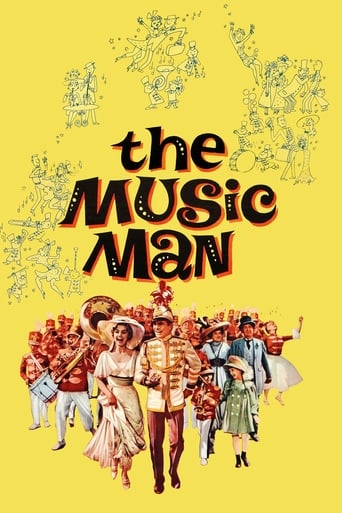
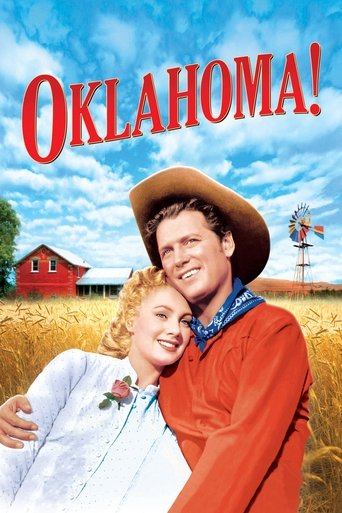
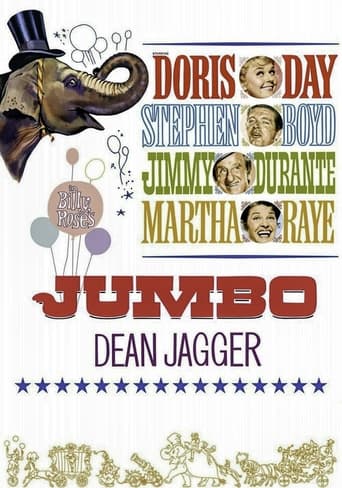
Broadway arrived in widescreen. Oklahoma!, filmed in the Todd-AO process with Shirley Jones in her first role, opens on a golden cornfield with Oh, What a Beautiful Mornin', and The Music Man gives Robert Preston the role of his life as Professor Harold Hill, leading a whole town in Seventy-Six Trombones. The Pajama Game brings a factory romance to life with Doris Day and Bob Fosse's choreography, Flower Drum Song became the first major Hollywood film with a largely Asian-American cast, and Billy Rose's Jumbo, Kismet, My Sister Eileen and Li'l Abner all began on the stage.
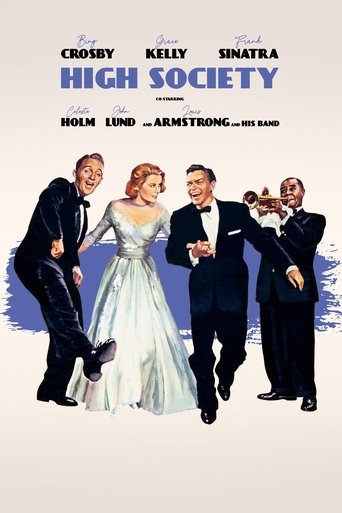
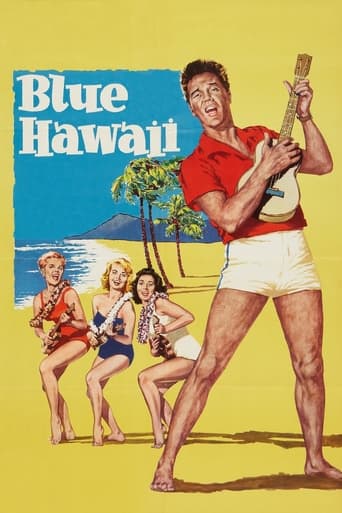
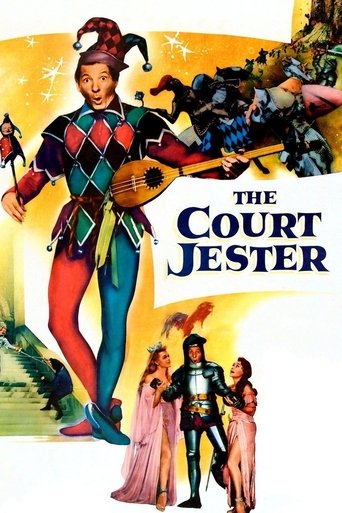
Comedy and music came together brilliantly in The Court Jester, in which Danny Kaye struggles to remember which vessel holds the poison, and High Society gathered Bing Crosby, Grace Kelly in her final film and Frank Sinatra, with Louis Armstrong leading the band. A new sound arrived with Rock Around the Clock, starring Bill Haley and his Comets, and Elvis Presley sang his way through Loving You, Blue Hawaii and Girls! Girls! Girls!. In Britain, Cliff Richard and the Shadows starred in The Young Ones, and Richard Lester made his first feature, It's Trad, Dad!, a few years before working with the Beatles.
Dance musicals
The dance shelf gathers 37 films built around some of the finest dancers ever filmed. Fred Astaire appears in more of them than anyone, from Roberta and Carefree in the thirties to Broadway Melody of 1940, in which he and Eleanor Powell tap to Begin the Beguine on a mirrored floor, and on to Easter Parade, Three Little Words, Royal Wedding, The Belle of New York and Funny Face. His elegance feels timeless, and watching the films in order is a lesson in how one artist can refine his craft across thirty years.
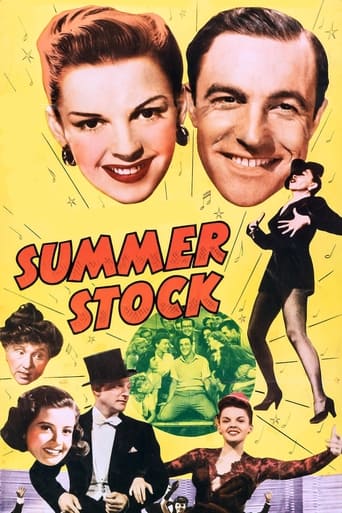
Gene Kelly brought a more athletic, muscular style, with films such as Cover Girl, The Pirate, Summer Stock, where he dances with a squeaking floorboard and a newspaper, An American in Paris and Brigadoon. Eleanor Powell's machine-gun taps light up Born to Dance and Lady Be Good, Rita Hayworth dances in My Gal Sal and Down to Earth, and Cyd Charisse brings her long-legged grace to Meet Me in Las Vegas.
The shelf also includes delightful films with less famous dancers: Marge and Gower Champion in Give a Girl a Break and Lovely to Look At, Vera-Ellen in Three Little Words, and Ann Miller, whose rapid-fire tap routine in Small Town Girl is accompanied by an orchestra of disembodied arms poking through the floor. The Dance musicals guide picks the highlights.
Broadway on screen
Twenty-five films on AnimeXin either began on the Broadway stage or tell stories about it. The adaptations range from Anything Goes and Roberta in the thirties to Oklahoma!, The Pajama Game, Li'l Abner, Flower Drum Song, The Music Man and Billy Rose's Jumbo in the fifties and sixties, and many of them preserve the work of the original stage casts and choreographers.
Backstage stories are a genre of their own. The three Broadway Melody films, Broadway Melody of 1936, Broadway Melody of 1938 and Broadway Melody of 1940, follow hopefuls trying to land a part in a big show, Give a Girl a Break holds auditions for a leading role, Two Tickets to Broadway follows a small-town girl to New York, and Lullaby of Broadway gives Doris Day a mother with a secret about her stage career.
The shelf is a wonderful way to discover the great songwriters of the American stage: Cole Porter, Jerome Kern, Irving Berlin, Rodgers and Hammerstein, Rodgers and Hart and the Gershwin brothers all appear. The Broadway on screen guide has a tour.
Songwriters, bandleaders and great voices
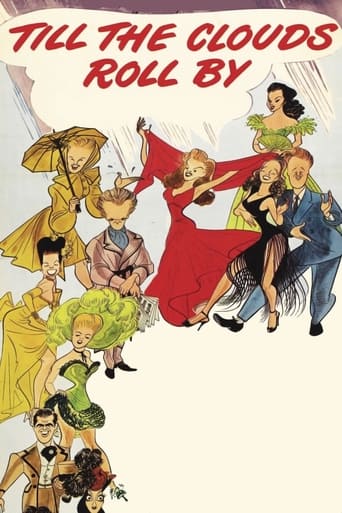
Hollywood loved to tell the stories of the people who wrote its favourite songs, and the songwriters shelf holds 22 of these musical biographies. Till the Clouds Roll By follows Jerome Kern, with a condensed staging of Show Boat and guest appearances from Judy Garland, Frank Sinatra and Lena Horne. Words and Music tells the story of Richard Rodgers and Lorenz Hart, Three Little Words casts Fred Astaire and Red Skelton as the songwriting team of Bert Kalmar and Harry Ruby, and I'll See You in My Dreams follows the lyricist Gus Kahn, with Doris Day as his wife.
The big band era is represented by The Benny Goodman Story, The Fabulous Dorseys, in which Tommy and Jimmy Dorsey play themselves, and two films featuring Glenn Miller and his orchestra, Sun Valley Serenade and Orchestra Wives. A Song Is Born gathers Benny Goodman, Louis Armstrong, Tommy Dorsey and Lionel Hampton as musical experts helping Danny Kaye's professor write a history of music.
Great voices fill the rest of the shelf. The Great Caruso gave the tenor Mario Lanza his most famous role, Interrupted Melody tells the inspiring story of the Australian soprano Marjorie Lawrence, who returned to the stage after polio, and A Song to Remember follows the young Chopin from Poland to Paris. The Great Ziegfeld and Lillian Russell look at the showmen and stars of the early Broadway revue. The Songwriters and bandleaders guide picks a few favourites.
Comedy musicals
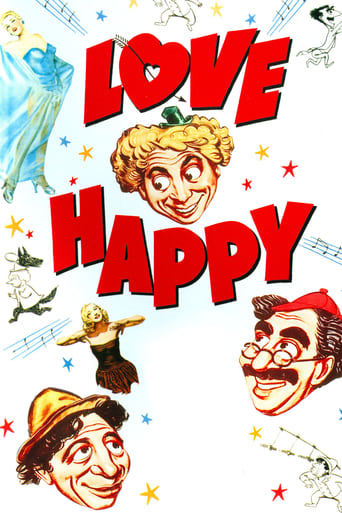
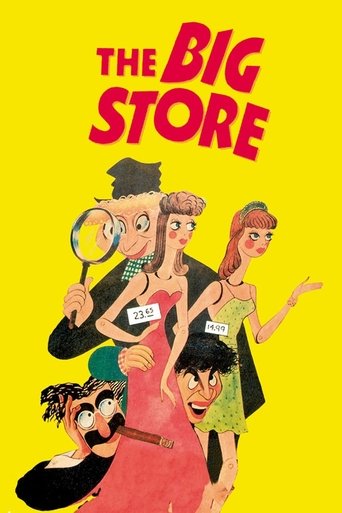
The great comedians of the era all made musicals, and the comedy shelf holds 31 of them. Danny Kaye leads the way with The Court Jester, A Song Is Born and The Five Pennies, in which he plays the cornet player Red Nichols opposite Louis Armstrong. The Marx Brothers bring their anarchy to The Big Store and Love Happy, their last film together, and Groucho teams up with Carmen Miranda in Copacabana and with Frank Sinatra and Jane Russell in Double Dynamite.
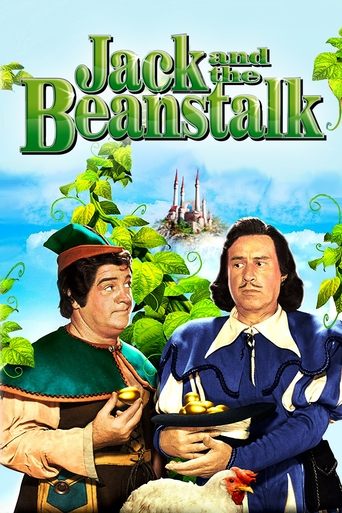
Laurel and Hardy carry a piano across a swaying rope bridge in the Swiss Alps in Swiss Miss and get tangled in comic opera in The Devil's Brother, and Abbott and Costello made their film debut in One Night in the Tropics before climbing a beanstalk in Jack and the Beanstalk, their first colour film. Dean Martin and Jerry Lewis share the screen in The Caddy, which introduced the song That's Amore, and Living It Up, and Lewis plays a male Cinderella in Cinderfella, with Ed Wynn as his fairy godfather.
Bob Hope brings his quick wit to Fancy Pants with Lucille Ball, Louisiana Purchase and The Seven Little Foys, in which James Cagney appears as George M. Cohan for a joyous tabletop dance. British comedy is represented by George Formby, Norman Wisdom in Follow a Star and the Crazy Gang in O-Kay for Sound, and the madcap revue Hellzapoppin' breaks every rule of film-making with delight. The Comedy musicals guide suggests where to start.
Young stars
The young stars shelf gathers 43 musicals led by or made for young performers. Shirley Temple, the biggest star in the world in the mid-thirties, appears in Bright Eyes and Curly Top, and Deanna Durbin's films for Universal, from Three Smart Girls to It Started with Eve and Spring Parade, combine sparkling comedy with operatic singing.
Judy Garland made her feature debut in Pigskin Parade and grew up on screen in Broadway Melody of 1938, Strike Up the Band, Girl Crazy and Presenting Lily Mars, often alongside Mickey Rooney, whose boundless energy also drives Summer Holiday. Jane Powell brought her bright soprano to A Date with Judy, Two Weeks with Love, Rich, Young and Pretty and Small Town Girl, and a young Debbie Reynolds steals Two Weeks with Love with the comic song Aba Daba Honeymoon.
The shelf also includes They Shall Have Music, in which the violinist Jascha Heifetz helps save a music school for poor children, Almost Angels, Disney's film about the Vienna Boys' Choir, Make a Wish, with the boy soprano Bobby Breen, and campus musicals such as Good News and April Love. The Young stars guide has a short tour.
Travel musicals
The golden-age musical loved to travel, and 37 films on the travel shelf take their songs abroad. Paris is the favourite destination: An American in Paris, Funny Face, April in Paris, Lovely to Look At and Roberta all fall under its spell, with fashion houses, riverside cafés and moonlit bridges. London hosts Royal Wedding and A Damsel in Distress, and the Scottish Highlands provide the misty setting of Brigadoon.
Latin America inspired a wave of colourful musicals in the early forties, as Hollywood looked south during wartime. Down Argentine Way, That Night in Rio, Week-End in Havana, Brazil and Copacabana are full of sambas, rumbas and Carmen Miranda's famous fruit-laden hats. Vienna, city of the waltz, appears in Waltzes from Vienna, The Emperor Waltz, Spring Parade, Oh... Rosalinda!! and Almost Angels.
Closer to home, Sun Valley Serenade heads for the snowy slopes of Idaho, Meet Me in Las Vegas visits the casinos of the Nevada desert, Moon Over Miami finds romance on the Florida coast, and Blue Hawaii and Gidget Goes Hawaiian head for the beaches of the Pacific. The Travel musicals guide suggests a route.
Swing and rock and roll
The swing and rock and roll shelf holds 17 films that trace the changing sound of popular music. The big band era fills Hollywood Hotel, with Benny Goodman's orchestra, Alexander's Ragtime Band, which follows ragtime into the jazz age, and A Song Is Born, whose jam sessions gather some of the finest musicians of the forties.
In the mid-fifties, a new sound took over. Rock Around the Clock brought Bill Haley and his Comets, the Platters and the disc jockey Alan Freed to cinemas, and a follow-up quickly brought Haley back for more. Elvis Presley's Loving You was his first film in colour, and Blue Hawaii and Girls! Girls! Girls! set his songs against sunny Pacific backdrops. Pat Boone starred in April Love and State Fair, and Bobby Darin and Ann-Margret joined him in the latter.
British pop has its own corner with The Young Ones, in which Cliff Richard and his friends put on a show to save their youth club, and It's Trad, Dad!, a celebration of the traditional jazz craze with Helen Shapiro. Read the Swing and rock and roll guide for more.
Operettas
Operetta, with its sweeping melodies, uniforms, ballrooms and royal romances, was hugely popular in the thirties, and 21 films on AnimeXin carry on the tradition. Jeanette MacDonald and Nelson Eddy, known as America's Singing Sweethearts, star in Naughty Marietta, Rose Marie and Sweethearts, and Grace Moore brings her operatic voice to One Night of Love and The King Steps Out, a romance about the young Empress Elisabeth of Austria.
In the fifties, Mario Lanza's thrilling tenor carried The Toast of New Orleans and The Great Caruso, and his voice also sang for Edmund Purdom in The Student Prince. Lana Turner and Fernando Lamas waltz through The Merry Widow, and Powell and Pressburger moved Johann Strauss's Die Fledermaus to post-war Vienna in Oh... Rosalinda!!. The Operettas guide picks the highlights.
Musicals for every age
Most golden-age musicals are ideal family viewing, full of bright colour, catchy songs and happy endings. For the youngest viewers, Curly Top, Bright Eyes, Jack and the Beanstalk, Cinderfella and The Pied Piper of Hamelin tell simple stories with plenty of music. Children from about six upward usually love the dance numbers in Royal Wedding, Anchors Aweigh and Easter Parade, and the slapstick of Swiss Miss and The Court Jester.
Older children and teenagers often enjoy the energy of Girl Crazy, Good News, Rock Around the Clock and the Elvis films, and many discover a lasting love of jazz through A Song Is Born and The Five Pennies. Grown-ups will appreciate the wit and sophistication of High Society, Funny Face and An American in Paris.
These films reflect the times in which they were made, and a few include attitudes or jokes that feel dated today; a short conversation afterwards is often a good way to put them in context. Every film page shows the genres and running time, and the official services list age ratings and offer kids profiles.
The studios behind the songs
Every Hollywood studio made musicals, but each had its own personality. Metro-Goldwyn-Mayer was the grandest, and its producer Arthur Freed assembled a team of composers, arrangers, designers and directors, including Vincente Minnelli, Stanley Donen and Charles Walters, that created Easter Parade, The Pirate, An American in Paris, Royal Wedding and Brigadoon. MGM also made the Broadway Melody films, the MacDonald and Eddy operettas and the Esther Williams water spectacles.
RKO was the home of the early Astaire and Rogers partnership, represented here by Roberta and Carefree. Twentieth Century Fox specialised in bright Technicolor musicals with Betty Grable, Alice Faye and Carmen Miranda, from Down Argentine Way to Coney Island and Mother Wore Tights, and later brought Rodgers and Hammerstein to the screen with State Fair. Warner Bros. gave Doris Day some of her early starring roles in My Dream Is Yours, Tea for Two, On Moonlight Bay and By the Light of the Silvery Moon.
Paramount was the home of Bing Crosby and Bob Hope, Universal made Deanna Durbin its biggest star, and Columbia turned Rita Hayworth into a dancing sensation in Cover Girl. Independent producers contributed too: Samuel Goldwyn made The Goldwyn Follies and A Song Is Born, and Billy Rose's name appears in the title of Billy Rose's Jumbo, based on his own circus spectacular.
The magic of Technicolor
Many of the films on AnimeXin are as much a feast for the eyes as for the ears. Three-strip Technicolor, introduced in the mid-thirties, produced rich, saturated colours that suited the fantasy of the musical perfectly. Dancing Pirate was one of the first features shot in the process, and Sweethearts was MGM's first full Technicolor feature.
By the forties, Technicolor had become the signature of the big musical. The candy-coloured costumes of Down Argentine Way, the painted Caribbean skies of The Pirate, the bright Western landscapes of The Harvey Girls and the Impressionist ballet of An American in Paris were all designed with the camera's colours in mind. Some films even made colour a subject: Funny Face opens with the fashion editor Maggie Prescott declaring that the whole country should think pink, and Red Garters uses bold, stylised sets painted in a few vivid colours.
Many of these films have since been restored, and watching them in high definition on a large screen is a wonderful way to appreciate the artistry of the designers, costume makers and cinematographers who made them.
Award-winning songs
Many of the most famous songs of the twentieth century were introduced in films on AnimeXin. Thanks for the Memory, which became Bob Hope's theme for the rest of his career, was first sung in The Big Broadcast of 1938 and won the Academy Award for Best Original Song. The Last Time I Saw Paris won the same award for Lady Be Good, Swinging on a Star for Going My Way, On the Atchison, Topeka and the Santa Fe for The Harvey Girls, and In the Cool, Cool, Cool of the Evening for Here Comes the Groom.
Other songs became standards through these films: Hooray for Hollywood from Hollywood Hotel, Chattanooga Choo Choo from Sun Valley Serenade, That's Amore from The Caddy, Stranger in Paradise from Kismet and True Love from High Society. Listening for these songs, and recognising them later on the radio or in other films, is one of the pleasures of exploring the catalogue.
Planning a musical night
A musical night works best with the sound turned up and the family ready to sing along. For an Astaire evening, start with Carefree from the thirties, follow it with Easter Parade and finish with Funny Face, watching how his style develops across the decades. For a Gene Kelly night, try Cover Girl, Anchors Aweigh and An American in Paris.
For a trip around the world, pair That Night in Rio with Brigadoon and Royal Wedding. For a comedy night, choose The Court Jester and Swiss Miss, and for a rock and roll party, play Rock Around the Clock and Loving You and push the furniture back for dancing. Families with younger children might prefer a Shirley Temple afternoon with Bright Eyes and Curly Top.
Some families like to learn a dance step from each film, or to print the lyrics of a favourite song for everyone to sing. Save your choices to My List, export the list to the family television, and let the music begin.
How Watch now works
AnimeXin is a guide, and every film page has a Watch now button that opens the musical on JustWatch for the country you choose. JustWatch is a widely used service that lists where a film can be streamed on subscription, rented, bought or watched free with advertising. The country menu covers fifteen countries, from the United States, the United Kingdom, Canada and Australia to Singapore, Malaysia, Indonesia, Thailand and the Philippines, and your choice is remembered in this browser.
Availability changes over time, so the JustWatch page always shows the current picture. Classic musicals often appear on services devoted to older films, on free services with advertising and in the catalogues of the studios that made them, and many are available to rent or buy in restored editions. Public libraries are another excellent source of golden-age musicals on disc.
Every film in the catalogue was made in English, and the official services usually offer subtitles in many languages, so viewers can follow every lyric. The Languages and versions guide explains subtitles and restorations, and Where AnimeXin films stream describes the services behind the button.
The help pages
Fifteen short guides are linked from the footer and the bottom of the home page. How to watch with AnimeXin follows a film from the poster grid to its official service, Finding a film gives search tips, and My List explains how to save musicals and carry the list to another device.
The theme guides open the shelves one by one: Dance musicals, Broadway on screen, Comedy musicals, Young stars, Songwriters and bandleaders, Travel musicals, Swing and rock and roll, Operettas and The 1930s, each with a few recommendations and a link to the full shelf.
The practical pages cover Languages and versions, Where AnimeXin films stream and The official AnimeXin site, which describes how the real address looks.
Things to listen and look for
Golden-age musicals reward careful watching. Many of the great dance numbers were filmed in long, unbroken takes, so the dancers had to perform the whole routine perfectly from start to finish; look for this in Astaire's solos and in Eleanor Powell's tap routines. Choreographers such as Hermes Pan, Busby Berkeley, Bob Fosse and Michael Kidd each had a recognisable style, and spotting their work becomes easier with every film.
Listen, too, for the orchestrations. Studio orchestras of the era were among the finest in the world, and arrangers such as Conrad Salinger gave MGM's musicals a lush, shimmering sound. Many songs were written by the greatest composers of the American songbook and appear in several films, sung in different styles by different stars; hearing the same melody move from a ballad to a swing number is a fascinating lesson in arrangement.
Finally, watch the backgrounds. Painted skies, elaborate sets and enormous sound stages were all built by hand, and the craftsmanship of the art departments is visible in every frame, from the Parisian streets of An American in Paris to the Highland village of Brigadoon.
A short history of the movie musical
When sound arrived in Hollywood at the end of the twenties, studios rushed to fill the screen with song. The early talkies were often static filmed revues, but within a few years directors learned to move the camera with the music, and dancers such as Fred Astaire insisted that dances be filmed in full figure so that audiences could see every step.
The thirties brought operettas, backstage stories and child stars, the forties brought Technicolor, wartime escapism and the great Freed unit at MGM, and the fifties brought widescreen processes and faithful adaptations of Broadway hits. By the early sixties, rock and roll had changed popular music, and the big studio musical was giving way to new forms, from the pop films of Elvis Presley and Cliff Richard to the youthful energy of It's Trad, Dad!.
The catalogue on AnimeXin follows this whole story, and watching a film from each decade in turn is one of the best ways to see how the musical grew from a filmed stage show into an art form of its own.
Great partnerships
Many of the most memorable moments in the catalogue come from performers who worked together again and again. Fred Astaire and Ginger Rogers remain the most famous dance partnership in film history, and their chemistry in Roberta and Carefree shows why audiences adored them. Astaire later found new partners in Eleanor Powell, Judy Garland, Vera-Ellen, Jane Powell and Audrey Hepburn, adjusting his style to suit each one.
Jeanette MacDonald and Nelson Eddy made eight films together and became known as America's Singing Sweethearts, Mickey Rooney and Judy Garland made a string of youthful musicals full of energy and optimism, and Doris Day and Gordon MacRae formed a gentle, nostalgic pairing in Tea for Two, On Moonlight Bay and By the Light of the Silvery Moon. Comedy teams such as Laurel and Hardy, Abbott and Costello and Martin and Lewis built whole careers on their partnerships.
Behind the camera, partnerships mattered just as much. Songwriters such as Rodgers and Hart, Rodgers and Hammerstein, and George and Ira Gershwin worked in pairs, and director Stanley Donen and Gene Kelly created some of the most inventive dance films of the era together. Watching for these partnerships is a lovely way to connect one film to the next.
Why these musicals still matter
Golden-age musicals shaped popular culture in ways that are still visible today. Their songs became the backbone of the Great American Songbook, sung by jazz musicians and pop stars for generations. Their dance routines inspired choreographers, music video directors and stage productions around the world, and their bright colours and elaborate sets influenced filmmakers who grew up watching them on television.
They also carry a spirit of optimism that many viewers find comforting. Made during the Depression, the war years and the uncertain fifties, these films offered audiences a few hours of joy, and that joy still comes through clearly. For children, they can be a first introduction to tap dancing, jazz, opera and Broadway; for adults, a reminder of the sheer craftsmanship of the old studios.
Whether you are rediscovering a favourite or meeting these films for the first time, AnimeXin aims to make the journey easy, with every musical a click away from the official services that carry it.
British musicals
Alongside Hollywood's spectacles, the catalogue includes a lively thread of British musicals. Jessie Matthews, the brightest British musical star of the thirties, dances through Evergreen, and Alfred Hitchcock tried his hand at the genre with Waltzes from Vienna. George Formby's cheerful ukulele songs light up Keep Your Seats, Please and Trouble Brewing, and the Crazy Gang's anarchic humour fills O-Kay for Sound.
Ealing Studios recreated the Victorian music halls in Champagne Charlie, with Tommy Trinder and Stanley Holloway competing to become the toast of London, and Powell and Pressburger brought their painterly style to Oh... Rosalinda!!. Norman Wisdom's Follow a Star, Cliff Richard's The Young Ones and Richard Lester's It's Trad, Dad! carry the story into the pop era, showing how British music changed in the years just before the Beatles.
Stars worth following
Following a single star through the catalogue is a delightful way to explore. Doris Day appears in eleven films, from her early Warner musicals My Dream Is Yours, It's a Great Feeling and Tea for Two to the nostalgic On Moonlight Bay and By the Light of the Silvery Moon, the musical biography I'll See You in My Dreams, the Broadway adaptation The Pajama Game and the circus spectacular Billy Rose's Jumbo. Her warm voice and comic timing make every one of them a pleasure.
Bing Crosby's relaxed charm runs through Pennies from Heaven, Anything Goes, Going My Way, The Emperor Waltz, A Connecticut Yankee in King Arthur's Court, Here Comes the Groom and High Society. Judy Garland grows from a teenage singer into one of the greatest performers in film history across more than a dozen films, and Frank Sinatra moves from a skinny crooner in Higher and Higher and Anchors Aweigh to a confident leading man in High Society.
Other stars reward the curious: Betty Grable's sunny Fox musicals, Alice Faye's warm contralto in favourites such as Lillian Russell and Hello, Frisco, Hello, Jane Powell's sparkling soprano, Carmen Miranda's whirlwind energy and Esther Williams's swimming spectacles. Each star brings a different flavour, and many families find a favourite to follow.
Remakes and new versions
Hollywood often turned a successful comedy or drama into a musical, and several films on AnimeXin are musical versions of earlier stories. In the Good Old Summertime reworks The Shop Around the Corner, High Society reworks The Philadelphia Story, A Song Is Born reworks Ball of Fire, Living It Up reworks a famous 1937 screwball satire that starred Carole Lombard, and Down to Earth continues the heavenly comedy of Here Comes Mr. Jordan.
Some stage musicals were filmed more than once: Roberta appears as the 1935 film Roberta and again as Lovely to Look At in 1952, with new stars and a lavish fashion show designed by Adrian. Tea for Two reworks a famous twenties stage musical for Doris Day, and State Fair from 1962 is a new version of a story that Rodgers and Hammerstein had already brought to the screen in the forties. Comparing the versions is a fascinating way to see how tastes changed.
Musicals through the year
The catalogue has a musical for every season. Spring belongs to Easter Parade, with Judy Garland and Fred Astaire strolling down Fifth Avenue in their Easter finery. Summer brings Summer Stock, Summer Holiday, In the Good Old Summertime and Two Weeks with Love, set at a holiday resort in the Catskills, along with the beaches of Blue Hawaii.
Autumn suits college musicals such as Good News and Pigskin Parade, with their football games and campus dances, and the harvest-time fun of State Fair and Oklahoma!. Winter brings the snowy slopes of Sun Valley Serenade, the Alpine adventures of Swiss Miss and the cosy New York winter of It Happened on Fifth Avenue.
Happy listening
The golden-age musical was built on a simple promise: for an hour or two, the world would be brighter, funnier and more musical than usual. That promise still holds, and these films continue to delight new audiences decades after they were made. AnimeXin gathers 175 of them in one place, with a page for each and a button that leads to the official services, so the next song and dance is only a few clicks away. Choose a musical, gather the family and enjoy the show. Welcome to AnimeXin.
Questions
What is AnimeXin?
AnimeXin is a guide to 175 golden-age movie musicals made between 1933 and 1962, with a Watch now button that opens each film on JustWatch for your country.
What kinds of films are included?
Dance musicals, Broadway shows on screen, songwriter and bandleader stories, comedy musicals, films with young stars, travel musicals, swing and rock and roll, and operettas.
Are these anime or donghua?
These are live-action Hollywood and British musicals with real singers and dancers, chosen for families to watch together.
How does Watch now work?
Choose your country and press Watch now. JustWatch opens with the subscription, rental, purchase and free services that carry the film where you live.
Are subtitles available?
Many official services offer subtitles in several languages, and each service lists its options on the film page.
Are the musicals suitable for children?
The catalogue is chosen by hand for family viewing, and the guides point out which films suit younger viewers.
What is My List?
My List keeps the films you plan to watch in your browser. You can export it to a small file and import it on another device.
Where do the posters and details come from?
Posters, running times and production details come from TMDB. The guides and help pages are written for AnimeXin.
Which musicals should I start with?
An American in Paris, Easter Parade, Funny Face, The Court Jester and The Music Man make a wonderful first selection.
Does AnimeXin host the films?
AnimeXin is a guide. Watch now leads to the official services that carry each film in your country.